1. Genuine nonprofit structure
Legal incorporation, bylaws, governing body, organizational bank and financial records, mission, board responsibility and continuity planning.
This page summarizes the organization’s nonprofit structure, public conservation-education work, eagle-care experience, resources and preparation for organizational permitting.
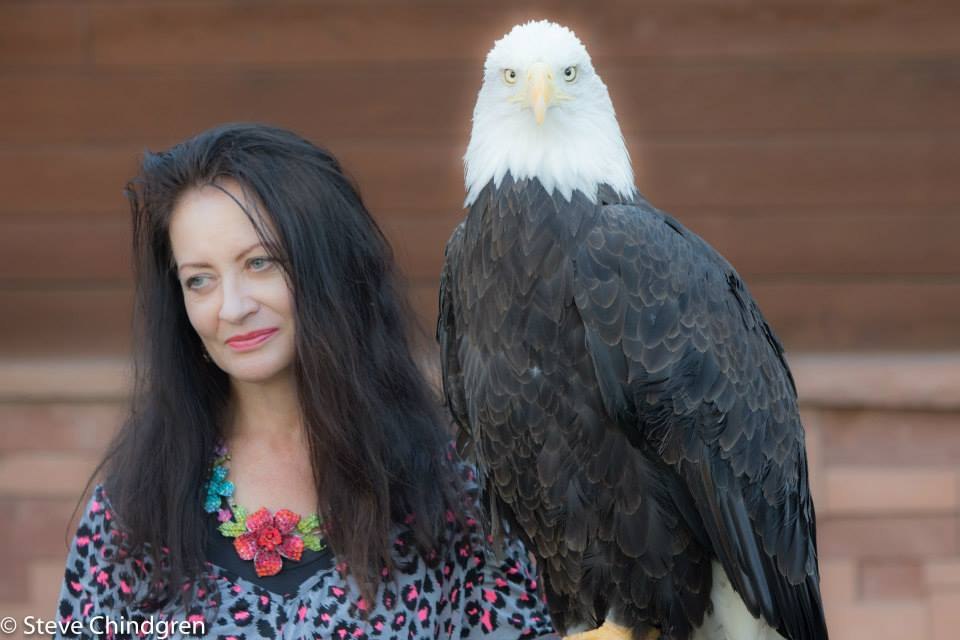
For its federal application, Lions of the Sky intends to demonstrate eligibility as a public scientific society: privately organized, nonprofit, open to the general public and conducting bona fide eagle biology, natural history and conservation education.
The organization does not rely merely on the word “education” in its mission. Its eligibility record is built around public service, institutional structure, documented activity, adequate resources and organizational—not personal—responsibility for the eagles.
Legal incorporation, bylaws, governing body, organizational bank and financial records, mission, board responsibility and continuity planning.
Wildlife conservation, eagle biology, ecology, natural history, public education and responsible stewardship are central—not incidental—to the organization’s work.
Programs are offered through schools, libraries, parks, museums, fairs, conservation events, scouting, civic and community settings, with dates, locations and audience records maintained.
Documented Bald and Golden Eagle care, handling, husbandry, training, transport, public presentation and medical-management experience dating to 2007.
Dedicated housing, equipment, veterinary arrangements, diet, enrichment, sanitation, emergency planning, transport procedures and long-term financial capacity.
Eagles serve the nonprofit’s public program; they are not personal property, marketing props or endorsements of unrelated products or businesses.
The following figures come directly from the experience table prepared for the organizational application.
| Dates | Experience | Hours |
|---|---|---|
| 2017–present | Primary caretaker service involving two Bald Eagles and two Golden Eagles over the documented period; conservation presentations at public events. | 6,480 |
| 2007–2018 | Handling glove-trained Bald and Golden Eagles for education and conservation messaging through Utah’s Hogle Zoo. | 728 |
| 2012–present | Community outreach programs averaging approximately 45 programs per year; transport, husbandry, feeding and weight management. | 1,900 |
| 2012 | Personally glove-trained a young rescued, nonreleasable Bald Eagle for Great Basin Wildlife Rescue. | 120 |
| Total documented eagle experience | 9,228 | |
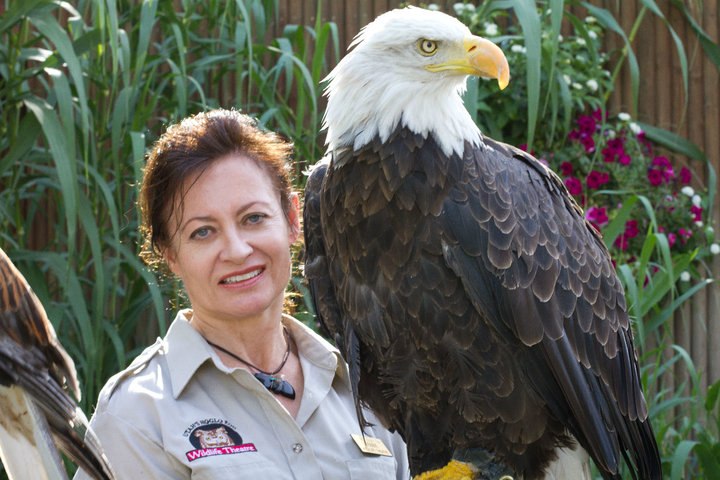
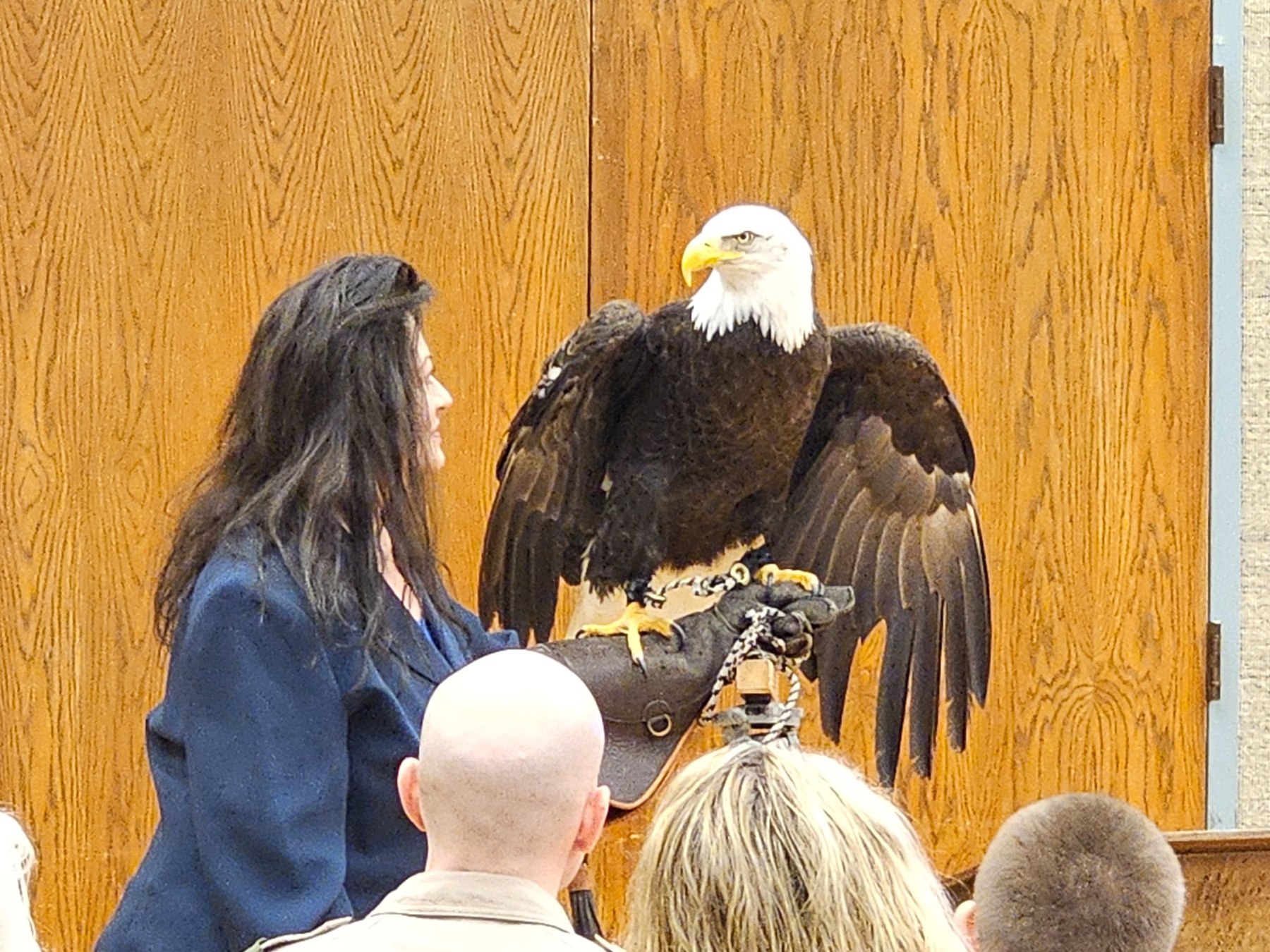
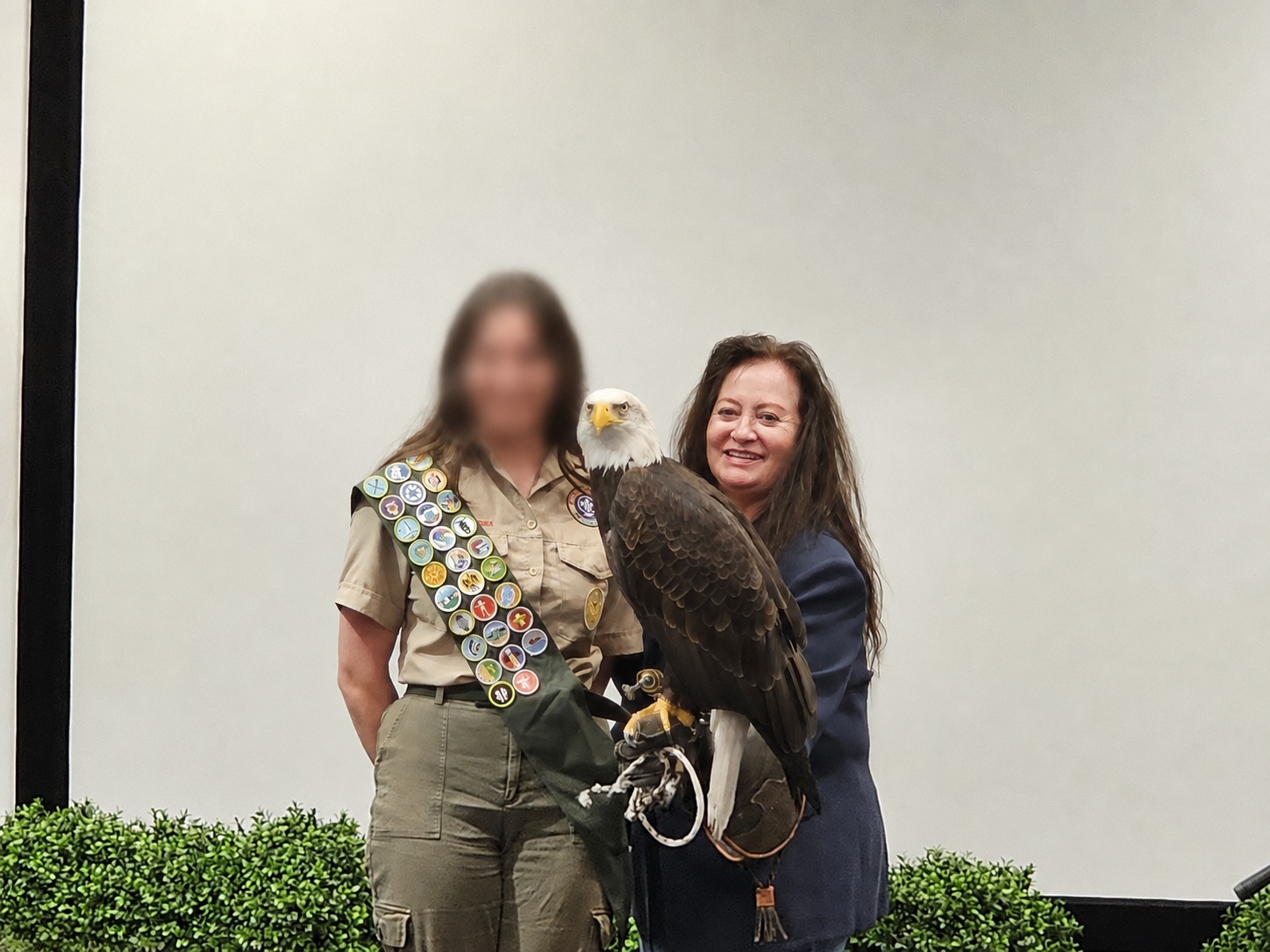
The eagle-specific record documents an average of approximately 45 programs annually since 2012.
Application exhibits can include event calendars, public flyers, sponsor letters, program descriptions, learning objectives, venue records and audience estimates. The broader historical raptor-education program may be documented separately where records substantiate additional annual program volume.
This distinction keeps the public website accurate while allowing the formal application to present the fullest supported history.
The organization’s primary caretaker is recognized for one Bald Eagle and one Golden Eagle on a current federal Live Eagle Exhibition permit. That permit is issued to its named permittee, not to Lions of the Sky.
Lions of the Sky is preparing a new application in the nonprofit’s legal name and does not represent that the organizational permit has already been issued.
Review federal permit readinessUSFWS Eagle Exhibition permit guidance · 50 CFR 22.50 · 50 CFR 10.12 definition of “public”