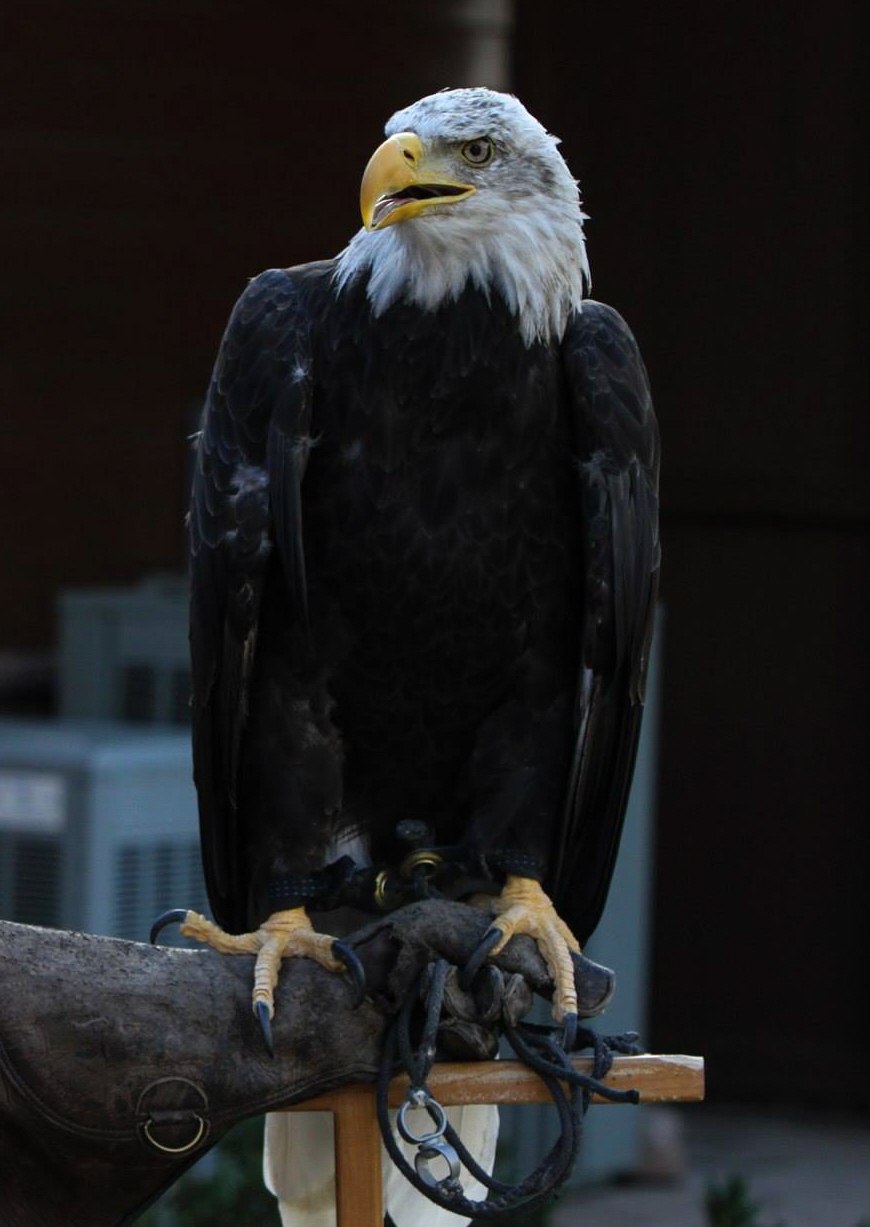
Freedom
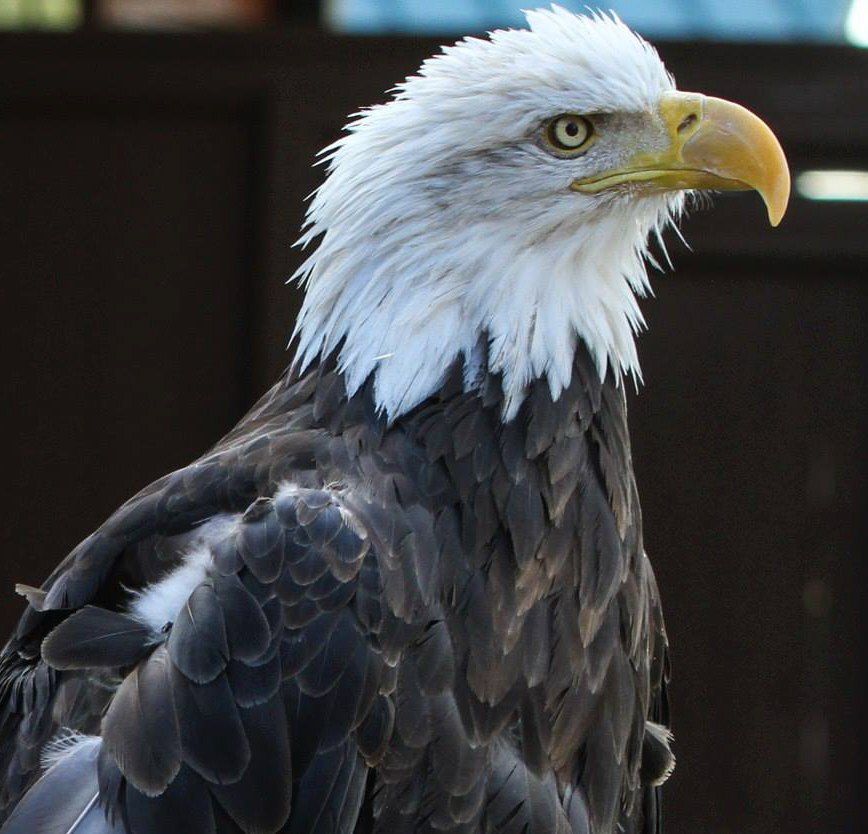
A glove-trained, nonreleasable Bald Eagle who helps audiences understand America’s national bird as a living predator, a conservation success story and a species that still depends on clean habitat and responsible human behavior.
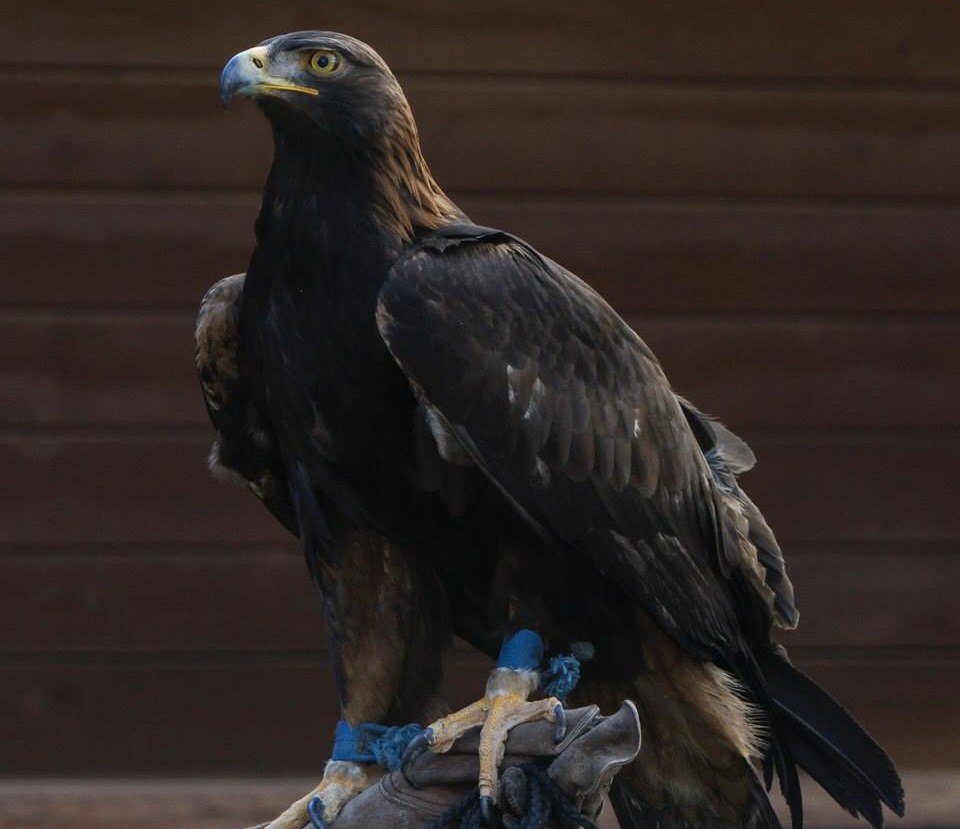
Nonreleasable eagles can help people understand both the resilience of wildlife and the responsibility involved in caring for an animal that cannot return to the wild.

A glove-trained, nonreleasable Bald Eagle who helps audiences understand America’s national bird as a living predator, a conservation success story and a species that still depends on clean habitat and responsible human behavior.

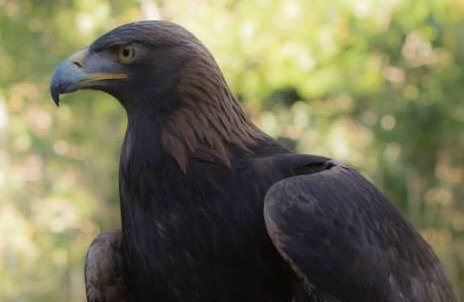
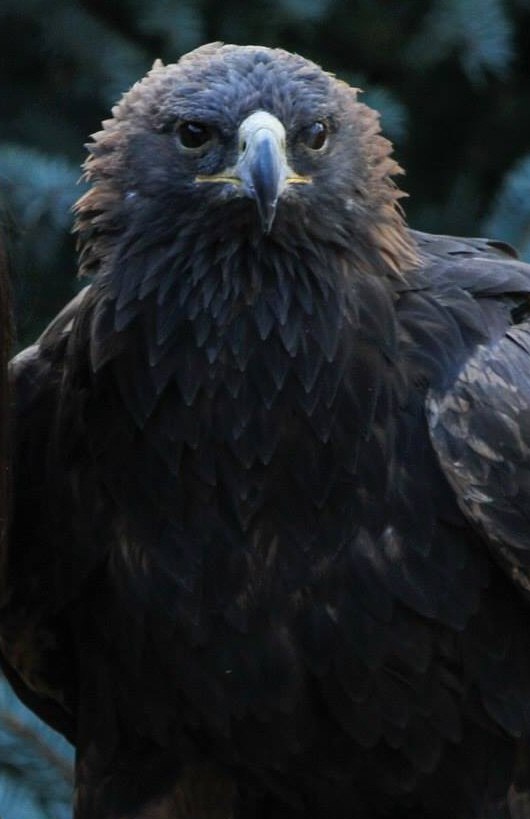
A glove-trained, nonreleasable Golden Eagle who helps audiences explore open-country ecology, hunting adaptations, Utah landscapes, human-caused hazards and the importance of protecting habitat and prey.
Wildlife rehabilitators release eagles whenever an animal can safely survive in the wild. Some birds have permanent injuries, impaired flight, visual limitations, behavioral conditions or other circumstances that make independent survival impossible.
Only eagles determined to be nonreleasable may be placed for education under appropriate federal authority. Placement does not make an eagle private property; care remains subject to federal stewardship and permit conditions.


A trained adult maintains control with appropriate glove, jesses, leash and transport equipment.
Audience separation is maintained. Eagles are not touched, passed around or used for casual photographs.
The eagle appears for a defined conservation lesson—not personal use or outside commercial endorsement.